Targeted Therapies Revolutionize CLL Treatment: What You Need to Know
Every year on September 1st, World CLL Day serves as a vital reminder to shine a spotlight on Chronic Lymphocytic Leukemia (CLL). With its recent "Level Up" motto, the day champions the critical need for individuals living with this condition to receive the same level of attention and advanced treatment options as those facing other cancers. Despite being the most common form of leukemia in adults, CLL often flies under the radar of public awareness. However, there's significant reason for optimism: groundbreaking advancements, particularly in targeted therapies, are transforming the landscape of CLL treatment, offering hope and significantly improved quality of life for many.
This article will delve into what makes the Cll Erkrankung (Chronic Lymphocytic Leukemia disease) unique, explore the revolutionary impact of targeted therapies, and provide essential insights for patients and their loved ones navigating this journey.
Understanding CLL: A Unique Type of Blood Cancer
The term "leukemia" often evokes immediate fear, conjuring images of aggressive, life-threatening acute conditions. While CLL is indeed a form of blood cancer, it behaves quite differently from its acute counterparts. Diagnosed in approximately 5,200 individuals annually in Germany alone, CLL stands as the most prevalent leukemia among adults. Its incidence rises significantly with age, with about 9 out of 10 affected individuals being over 55 years old.
Unlike acute leukemias that progress rapidly, CLL is typically a slow-growing cancer. Many patients can live for years without experiencing symptoms, often requiring only careful monitoring, a period sometimes referred to as "watch and wait." This distinction is crucial for understanding the disease and managing patient anxiety. For a deeper dive into these differences, you might find our article CLL Explained: Differentiating Chronic Lymphocytic Leukemia from Acute particularly insightful.
CLL: A Lymphoma with a Leukemic Face
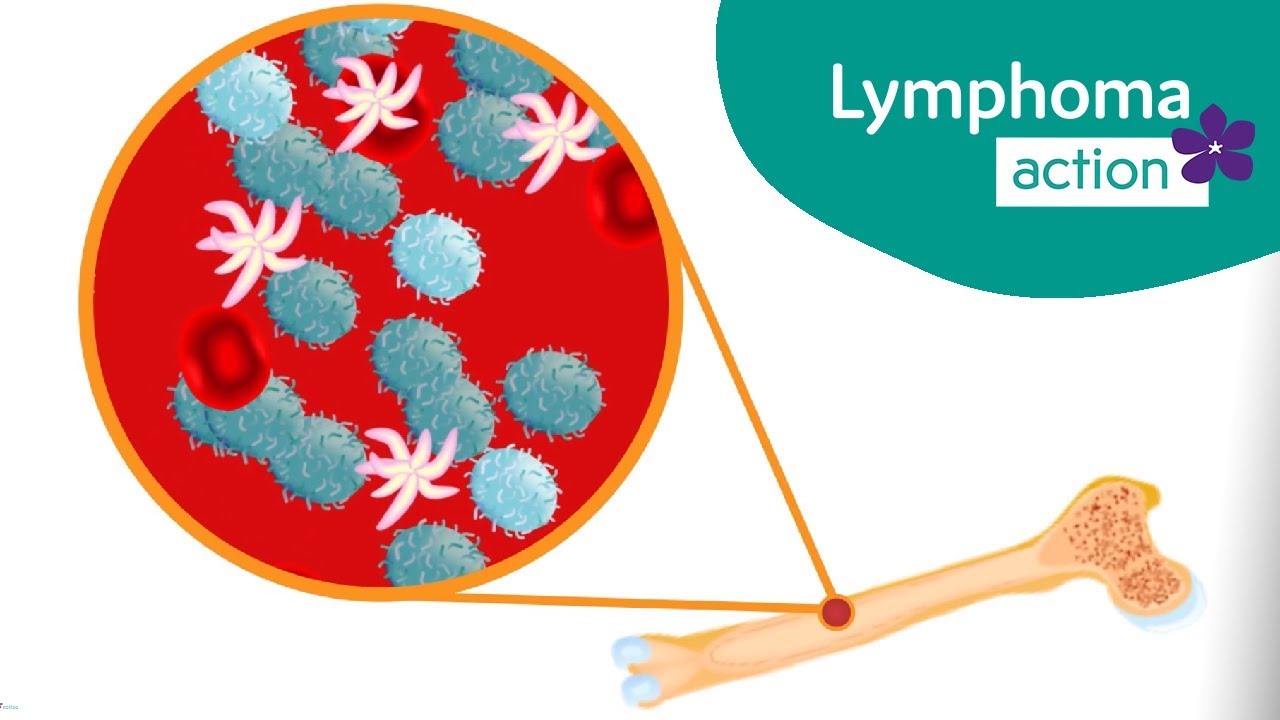
To truly understand CLL, it's important to clarify its nature. While the word "leukemia" literally translates to "white blood" and signifies an overabundance of white blood cells, CLL is fundamentally a cancer of the lymphatic system. This complex network includes crucial organs like the lymph nodes, spleen, and bone marrow. CLL originates from B-lymphocytes, a type of white blood cell vital for our immune system. When these B-lymphocytes become malignant, they not only proliferate within the lymphatic organs but also spill over into the bloodstream, giving it its "leukemic" characteristic.
Therefore, while it's classified as a leukemia, CLL is essentially a type of lymphoma, specifically a non-Hodgkin lymphoma. This distinction is paramount because its origin and biological behavior dictate a different approach to treatment compared to other forms of leukemia. The good news is that while CLL is not yet considered curable, it is highly treatable, often allowing patients to live full and productive lives for many years.
The Dawn of a New Era: Targeted Therapies for CLL Treatment
The past decade has witnessed a seismic shift in how we approach the Cll Erkrankung. Historically, the standard treatment involved chemoimmunotherapy (CIT) – a combination of chemotherapy drugs and antibodies targeting B-cells. While effective for some, CIT often came with significant side effects and limitations.
Today, the landscape is dramatically different. Modern, targeted therapies have emerged as the preferred treatment strategy, ushering in a new era of highly effective and much better-tolerated options. These innovative drugs work by specifically targeting the molecular pathways that drive CLL cell growth and survival, rather than broadly attacking all rapidly dividing cells, as traditional chemotherapy does. This precision leads to fewer systemic side effects and a greater ability to manage the disease effectively.
Individualized Treatment: Tailoring Therapy to You
One of the most profound impacts of targeted therapies is the move towards truly individualized patient care. The decision-making process for CLL treatment is no longer a one-size-fits-all approach. Instead, it meticulously considers a wide array of factors:
- Disease-specific factors: Genetic mutations, risk stratification, and the stage of the disease.
- Patient's general health: Overall physical condition, presence of other medical conditions (comorbidities), and age.
- Lifestyle and personal preferences: This is where modern medicine truly shines. Patients can now discuss preferences such as oral medication (pills) versus intravenous infusions, or time-limited therapy versus continuous treatment. This empowers patients to have a more active role in their care, aligning treatment with their daily life and personal priorities.
This personalized approach ensures that the chosen therapy is not only medically appropriate but also optimally suited to the patient's individual circumstances, significantly enhancing adherence and overall quality of life during treatment.
Beyond the Basics: Living with and Managing CLL
The advancements in targeted therapies mean that a diagnosis of CLL, while serious, no longer carries the same grim prognosis it once did. Many patients can now anticipate long periods of disease control, often with a good quality of life. However, effective management of the Cll Erkrankung extends beyond just medication:
- Regular Monitoring is Key: Even during the "watch and wait" phase or after treatment, consistent follow-up appointments and blood tests are crucial to track disease progression and treatment effectiveness. Early detection of changes allows for timely intervention.
- Be an Informed Patient: Understanding your specific type of CLL, the available treatment options, and potential side effects empowers you to have meaningful discussions with your healthcare team. Don't hesitate to ask questions and seek clarification.
- Embrace a Healthy Lifestyle: While not a cure, maintaining a healthy diet, engaging in regular, moderate exercise, managing stress, and getting adequate rest can significantly contribute to overall well-being and strengthen your immune system.
- Seek Support: Connecting with support groups or patient advocacy organizations can provide invaluable emotional support, practical advice, and a sense of community. Sharing experiences with others who understand your journey can be incredibly therapeutic.
- Advocate for Awareness: Support initiatives like World CLL Day. Increased public awareness translates to more research funding, better diagnostic tools, and improved access to advanced therapies for everyone affected by CLL.
These practical steps, combined with the revolutionary power of targeted therapies, offer a comprehensive approach to living with CLL.
Conclusion: Hope and Progress in CLL Treatment
The landscape of CLL treatment has undergone a monumental transformation, largely thanks to the advent of targeted therapies. These innovative treatments, combined with a patient-centric, individualized approach, offer remarkable efficacy, improved tolerability, and a renewed sense of hope for those navigating the Cll Erkrankung. While CLL remains a challenging condition, the ongoing research and development in this field continue to push boundaries, promising even brighter prospects for the future. By raising awareness, fostering informed patient engagement, and supporting continued scientific advancements, we can ensure that every individual with CLL receives the optimal care and attention they deserve to live their fullest possible life.