Chronic Lymphocytic Leukemia, widely known as CLL, is a medical term that often brings with it a wave of anxiety and misunderstanding. While in German-speaking regions, it's referred to as Cll Erkrankung, the core message remains the same: this is a prevalent form of blood cancer that, despite its frequency, often flies under the radar of public consciousness. On September 1st each year, World CLL Day aims to shed light on this condition, advocating for equal attention and advanced treatment options, much like those afforded to other cancers. The 2024 motto, "Level Up," perfectly encapsulates this aspiration: to elevate understanding, treatment, and quality of life for individuals navigating a CLL diagnosis.
The journey with CLL is unique, marked by a nuanced progression that significantly differs from the more aggressive forms of leukemia many people instinctively imagine. Thanks to remarkable leaps in medical research and therapeutic innovation, managing this disease has transformed dramatically. This article delves into why CLL demands greater recognition, what sets it apart, and the groundbreaking progress offering hope and improved outcomes for thousands worldwide.
Chronic Lymphocytic Leukemia (CLL): A Silent Epidemic Demanding Attention
For many, the word "leukemia" conjures images of an acute, rapidly progressing illness that quickly becomes life-threatening. While such scenarios exist, they do not universally apply to CLL. The Cll Erkrankung affects approximately 5,200 people in Germany alone each year, making it the most common form of leukemia among adults. Globally, similar patterns of prevalence are observed, highlighting its widespread impact.
Despite these figures, CLL often lacks the public spotlight enjoyed by other cancer types. This disparity in awareness can have tangible consequences, potentially impacting early diagnosis, patient advocacy, and even funding for research. The call for "Level Up" on World CLL Day underscores a critical need: to ensure that individuals living with CLL receive the same level of societal understanding, medical resources, and innovative care as those with more commonly recognized cancers.
Why is this attention gap so pronounced? Part of the challenge lies in the disease's often indolent nature. Unlike acute leukemias, CLL typically progresses very slowly. Many individuals are diagnosed incidentally during routine blood tests, often experiencing no symptoms for years. This "watch and wait" approach, while medically sound for many, can inadvertently contribute to the perception that CLL is "less serious" or less deserving of robust public discourse. However, beneath this calm exterior lies a complex condition requiring expert management and the best available treatments.
Understanding CLL: More Than Just "White Blood"
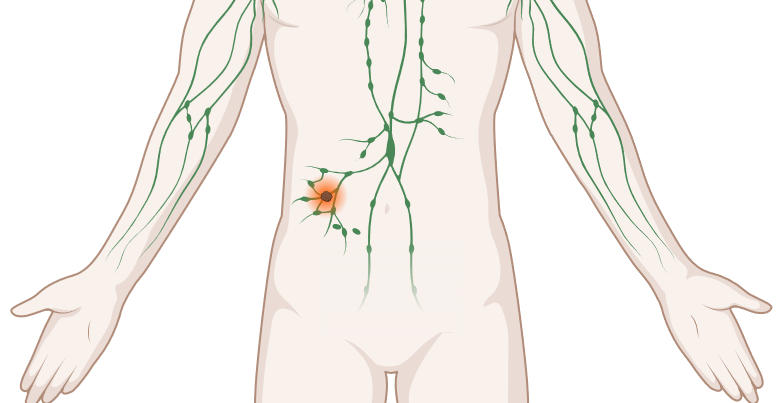
The term "leukemia" literally translates to "white blood," referring to the elevated number of white blood cells found in affected individuals. In the context of CLL, these are specifically malignant B-lymphocytes, a type of white blood cell crucial to our immune system. What many don't realize is that CLL, despite its name, isn't a "classic" leukemia in the traditional sense; it's considered a cancer of the lymphatic system, making it more akin to a lymphoma that has manifested in the blood and bone marrow.
This distinction is vital for understanding its origin and treatment approach. CLL originates in the lymphatic system, which includes organs like the lymph nodes, spleen, and bone marrow. As it progresses, these malignant B-lymphocytes accumulate not only in these lymphatic organs but also circulate in the blood, hence its "leukemic" characteristic. Understanding that CLL has lymphoma-like characteristics helps to differentiate its pathology and subsequent therapeutic strategies from those used for acute leukemias.
Key Facts about CLL:
- Origin: Malignant transformation of B-lymphocytes within the lymphatic system.
- Progression: Generally slow-growing, allowing many patients to live symptom-free for extended periods.
- Demographics: Incidence increases with age, with approximately 9 out of 10 patients being over 55 years old at diagnosis.
- Initial Management: Often involves regular monitoring ("watch and wait") rather than immediate treatment, until symptoms emerge or disease progression warrants intervention.
While the prospect of living with a cancer diagnosis can be daunting, the chronic nature of CLL means that for many, it is a manageable condition that can be controlled effectively for years. This highlights the importance of accurate information and support to navigate the initial shock and subsequent phases of living with a Cll Erkrankung.
The Dawn of a New Era: Revolutionizing CLL Treatment
One of the most encouraging narratives surrounding CLL is the dramatic evolution in its treatment landscape. Not long ago, the standard of care primarily involved chemoimmunotherapy – a combination of chemotherapy drugs and antibodies targeting B-cells. While effective for some, this approach often came with significant side effects and was not always suitable for all patients, especially the elderly or those with comorbidities.
Today, the field has been revolutionized by the advent of modern, targeted therapies. These innovative treatments specifically interfere with the pathways that drive CLL cell growth and survival, leading to more effective disease control with significantly improved tolerability. The shift away from broad-spectrum chemotherapy to precision medicine has opened up a wealth of options, making treatment far more individualized than ever before.
Advantages of Targeted Therapies:
- Enhanced Efficacy: Many targeted drugs offer superior control of the disease compared to older methods.
- Improved Tolerability: Fewer severe side effects, leading to a better quality of life during treatment.
- Personalized Approach: Treatment decisions can now factor in not just disease specifics (e.g., genetic mutations) and general health, but also a patient’s lifestyle and personal preferences.
- Flexible Options: Patients can choose between oral medications (tablets) versus intravenous infusions, or opt for time-limited courses of therapy instead of continuous, long-term regimens, where appropriate.
This patient-centric approach ensures that the chosen therapy aligns as closely as possible with an individual's unique needs and aspirations, fostering greater adherence and overall well-being. The pace of research in this area continues to be rapid, with ongoing clinical trials exploring even newer agents and combinations, promising even better outcomes in the future for those living with Cll Erkrankung.
Living with CLL: Empowerment Through Knowledge and Support
A diagnosis of CLL is a life-altering event, but it's important to remember that it is often a manageable chronic condition rather than an immediate death sentence. Living with CLL requires a proactive approach to one's health, regular communication with healthcare providers, and leveraging available support systems.
Practical Tips for Living with CLL:
- Stay Informed: Educate yourself about your specific subtype of CLL, treatment options, and potential side effects. Knowledge is empowering.
- Regular Monitoring: Adhere strictly to your doctor's schedule for check-ups and blood tests, even if you feel well. Early detection of changes can optimize treatment timing.
- Communicate Openly: Discuss all symptoms, concerns, and preferences with your medical team. Don't hesitate to seek second opinions if it brings you peace of mind.
- Maintain a Healthy Lifestyle: A balanced diet, regular moderate exercise, and adequate sleep can support your immune system and overall well-being.
- Manage Stress: Chronic illness can be stressful. Explore stress-reduction techniques like mindfulness, meditation, or hobbies you enjoy.
- Seek Support: Connect with patient advocacy groups, online forums, or local support networks. Sharing experiences with others who understand can be incredibly valuable.
- Advocate for Yourself: Be an active participant in your treatment decisions. Ask questions and ensure your voice is heard, especially regarding personalized therapy options.
The journey with CLL is a marathon, not a sprint. With ongoing medical advances, a strong support system, and a commitment to self-advocacy, individuals with Cll Erkrankung can lead full and meaningful lives. World CLL Day serves as a vital reminder that while the disease may be common, each patient's experience is unique and deserving of dedicated attention, innovative care, and a community that understands and supports them.
In conclusion, Chronic Lymphocytic Leukemia, or Cll Erkrankung, is a complex yet highly manageable blood cancer. While often overshadowed, its prevalence and the profound advancements in personalized, targeted therapies underscore the urgent need for increased public awareness and equitable care. By understanding its unique characteristics, celebrating the progress in treatment, and empowering patients with knowledge and support, we can collectively "Level Up" the conversation around CLL, ensuring that every individual affected receives the attention, understanding, and best possible care they deserve.