Understanding Cll Erkrankung: A Comprehensive Overview of Chronic Lymphocytic Leukemia
Chronic Lymphocytic Leukemia, or CLL, known in German as "CLL Erkrankung," represents the most prevalent form of leukemia among adults. While often referred to as a "leukemia," understanding its specific classification is crucial for grasping its nature and management. CLL is primarily a cancer of the lymphatic system, manifesting as an uncontrolled proliferation of a specific type of white blood cell called B-lymphocytes. These B-lymphocytes, though appearing mature, are dysfunctional, compromising the body's immune response and progressively accumulating in vital organs.
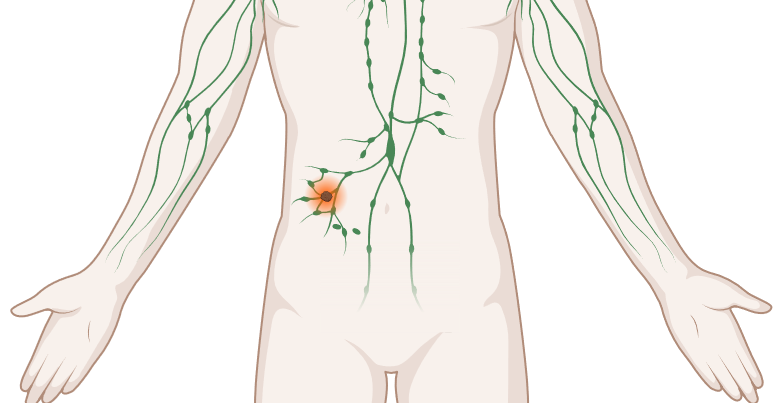
The term "leukemia" literally translates to "white blood," referring to an increased presence of white blood cells in the blood. This phenomenon is certainly observed in CLL. However, the disease's origin within the lymphatic system – which includes lymph nodes, the spleen, and bone marrow – classifies it fundamentally as a lymphoma. This distinction is not merely semantic; it profoundly influences diagnostic approaches, staging, and particularly, the therapeutic strategies employed. CLL is often characterized as an "indolent" or "low-grade" lymphoma, signifying its typically slow progression.
What is CLL and How Does it Affect the Body?
At its core, CLL is characterized by the uncontrolled growth of abnormal B-lymphocytes. B-lymphocytes are crucial components of our adaptive immune system, responsible for producing antibodies to fight off infections. In CLL, a single B-lymphocyte undergoes a malignant transformation due to specific genetic changes. This altered cell then begins to multiply excessively and uncontrollably, leading to an overabundance of these non-functional lymphocytes.
These cancerous B-lymphocytes accumulate in various parts of the body, most notably in the bone marrow, blood, lymph nodes, and spleen. Over time, their proliferation can also affect other organs. The accumulation of these abnormal cells leads to several significant health impairments:
- Displacement of Healthy Blood Cells: In the bone marrow, the cancerous lymphocytes crowd out healthy blood-forming cells. This can lead to anemia (low red blood cells), thrombocytopenia (low platelets), and neutropenia (low healthy white blood cells), resulting in fatigue, bleeding issues, and increased susceptibility to infections.
- Organ Enlargement: The accumulation of lymphocytes can cause the lymph nodes to swell (lymphadenopathy) and the spleen to enlarge (splenomegaly), sometimes causing discomfort or pain.
- Weakened Immune System: The B-lymphocytes are dysfunctional and cannot perform their role in fighting infections effectively. Furthermore, the overall balance of the immune system is disrupted, making patients more vulnerable to bacterial, viral, and fungal infections.
Understanding this multi-system impact is key to recognizing the diverse symptoms that can arise from
Cll Erkrankung, ranging from persistent fatigue to recurrent infections and swollen glands.
Demographics and the Unknown Origins of CLL
CLL is the most common form of leukemia in adults, with its incidence increasing significantly with age. In Germany, approximately 5,600 new cases are diagnosed annually. The peak age for diagnosis is around 65 years, with about 9 out of 10 affected individuals being over 55. However, it's important to note that CLL can affect younger individuals as well; roughly 20% of patients are diagnosed before the age of 50. This highlights that while age is a significant risk factor, it's not exclusively a disease of the elderly.
Despite extensive research, the precise cause of CLL remains largely unknown. Scientists have not found a clear link between CLL and environmental factors such as radiation exposure, chemical toxins, or specific lifestyle choices. This often comes as a relief to patients who might worry about past exposures.
What is understood is that the disease originates from genetic changes or "gene defects" within an initially normal blood cell. These genetic alterations cause the cell to become malignant and proliferate without control. It's crucial to clarify that while these are genetic changes, CLL is generally not considered an inherited disease. The mutations occur spontaneously within an individual's lifetime, not passed down from parents. However, there is a slightly elevated risk for first-degree relatives (parents, siblings, children) of CLL patients to develop the condition, suggesting a potential, albeit weak, hereditary predisposition or shared genetic susceptibility. Ongoing research continues to explore these genetic underpinnings to unlock the mysteries behind CLL's development.
The Journey of Diagnosis and Initial Management: The "Watch and Wait" Approach
For a significant majority of patients, CLL is diagnosed in its early stages, often incidentally during routine blood tests for other conditions. This early detection is frequently due to an elevated white blood cell count, prompting further investigation. Given the indolent nature of CLL for many individuals, immediate treatment is not always necessary.
The standard approach for many patients in the early stages of CLL, particularly those without symptoms, is known as "watch and wait" (or "active surveillance"). This strategy involves regular monitoring through blood tests and physical examinations to track the disease's progression and identify any emerging symptoms. The rationale behind this is to avoid the potential side effects of treatment for a disease that might not cause problems for many years. Many patients can live for extended periods without requiring any therapy, maintaining a good quality of life.
Treatment typically commences only when the disease starts to cause symptoms, such as significant fatigue, recurrent infections, night sweats, unexplained weight loss, or when there is evidence of rapid disease progression, such as quickly enlarging lymph nodes or spleen, or declining blood counts. When treatment does become necessary, significant advancements in therapeutic options have made it possible to manage CLL effectively, often pushing back the disease for many years and dramatically improving patient outcomes. This personalized approach ensures that patients receive intervention only when it is truly beneficial. For further insights into treatment modalities, refer to
Cll Erkrankung - Article 3.
Navigating Life with Cll Erkrankung: Support and Outlook
Receiving a diagnosis of CLL can be daunting, but it's important to remember that it is often a chronic, manageable condition. Living with CLL requires a proactive approach to one's health and a strong support system.
Practical Tips for Patients:
- Stay Informed: Educate yourself about CLL, its progression, and treatment options. Understand your specific stage and what to expect.
- Maintain Regular Check-ups: Adhere strictly to your doctor's schedule for blood tests and physical examinations, especially during the "watch and wait" phase.
- Monitor Symptoms: Be aware of potential signs of disease progression or complications, such as increased fatigue, unexplained weight loss, fevers, drenching night sweats, or new infections. Report any changes to your healthcare team promptly.
- Prioritize a Healthy Lifestyle: While not a cure, a balanced diet, regular moderate exercise, adequate sleep, and stress management can significantly contribute to overall well-being and immune function.
- Build a Support Network: Connect with other CLL patients through support groups, either online or in person. Sharing experiences and advice can be invaluable. Don't hesitate to lean on family and friends.
- Communicate with Your Healthcare Team: Establish open and honest communication with your hematologist, oncologist, and other healthcare providers. Ask questions and voice your concerns.
The landscape of CLL treatment has evolved dramatically over the past decades. New targeted therapies and immunotherapies are continually emerging, offering more effective options with fewer side effects than traditional chemotherapy. This progress means that many patients with CLL can look forward to living longer, healthier lives with a good quality of life. Research is ongoing, promising even more innovative treatments in the future.
Conclusion
CLL Erkrankung, or Chronic Lymphocytic Leukemia, is a complex yet often manageable blood cancer that primarily affects adults. While classified as a leukemia due to its manifestation in the blood, it is fundamentally a lymphoma originating in the lymphatic system. Characterized by the uncontrolled growth of dysfunctional B-lymphocytes, CLL's impact ranges from compromising the immune system to affecting vital organ function. Despite its unknown direct cause, genetic changes are implicated, and age remains a significant risk factor. The predominant "watch and wait" strategy for early-stage patients underscores its often indolent nature, with treatment reserved for symptomatic progression. With continuous advancements in therapy and a focus on patient empowerment and proactive management, individuals diagnosed with CLL can maintain a high quality of life, navigate their condition effectively, and benefit from an ever-improving outlook.